Explore the Bell Portfolio
Crafted with care, discover our exceptional, hand-crafted wines from the very best Napa Valley vineyards
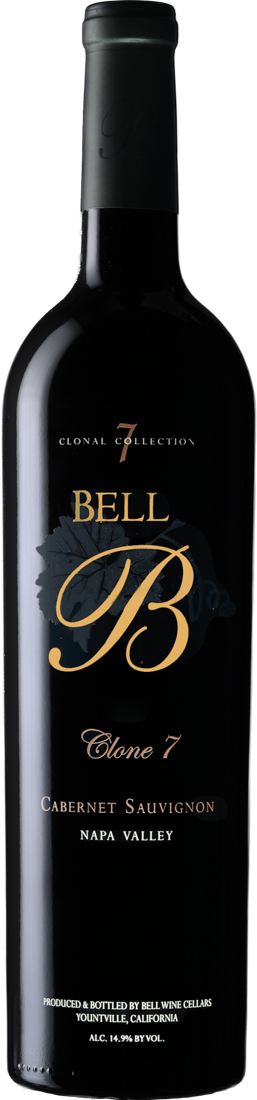
2018 Clone 7 Cabernet Sauvignon
One of our signature clonal wines, this 100% Cabernet Sauvignon is a study in singularity. Richly textured and delectably spicy, our Clone 7 features luscious Napa fruit, grown on a vine that's known as a "workhorse" in California.
$169.00
Vineyard
Honoring Anthony’s work identifying the differences between various Cabernet sauvignon clones, we produce this Clone 7, known now as the Concannon clone, a long-time workhorse of California Cabernet production. This clone has been known to produce as much as 10 tons per acre in Napa, although it generally produces between 4 –8 tons per acre. Originally sourced from the Montpellier Nursery in France by James Concannon (founder of Concannon Vineyard, Livermore, CA) in 1893 during California’s first phylloxera blight, this clone displays good fruit strength, some herbal character and good yields. The source of this particular fruit is one of the most historic vineyards on the eastern bench of Rutherford, originally planted by Georges de Latour and Andre Tschelistcheff of Beaulieu Vineyard almost a hundred years ago.
Vinification
The grapes are hand-harvested and gently crushed to retain 50% whole berries. The free-run and press wines were kept separate; the resulting bottled wine is almost entirely from free-run juice. Following fermentation, the wine went through malolactic fermentation in barrel. The wine was aged in 100% French oak (45% new) for 20 months and racked minimally to naturally clarify the wine and soften the tannins, yet retain its fruit intensity. The wine received about ten months of bottle aging prior to release.
Vintage Notes
The 2018 vintage in California was one that rewarded patience. A welcome reprieve from the string of hot, drought-prone years that preceded it, and the disastrous nature of the wildfires that impacted 2017, this new vintage granted Napa Valley and many other viticultural areas a ripe but balanced crop. The near picture-perfect growing season began with budbreak in late February. Spring was mild, with extended flowering yielding uniform grape clusters. Temperatures remained steady and warm throughout the growing season, without any significant heat spikes, making for an even, unhurried harvest. After a brief bout of rain at the start of October slowed things down a little, the slightly lighter-than-average (yet largest since 2012) crop size allowed continued ripening under gentle conditions.
Tasting Notes
This Clone 7 once again demonstrates why it’s one of the most popular cabernet sauvignon clones grown in the Napa Valley. The inky color in the glass draws you in with aromas of purple fruits, honeycomb, mandarin peel and cracked peppercorn. The taste delivers on the nose with rich plum, blueberry, and chaparral herbal notes, ending with a kiss of toasted oak and cocoa powder. There is an old world sensibility to this new world wine. A long finish, bright acidity, and well-integrated tannins complement the hedonistic flavors that are sure to please cabernet lovers.
Honoring Anthony’s work identifying the differences between various Cabernet sauvignon clones, we produce this Clone 7, known now as the Concannon clone, a long-time workhorse of California Cabernet production. This clone has been known to produce as much as 10 tons per acre in Napa, although it generally produces between 4 –8 tons per acre. Originally sourced from the Montpellier Nursery in France by James Concannon (founder of Concannon Vineyard, Livermore, CA) in 1893 during California’s first phylloxera blight, this clone displays good fruit strength, some herbal character and good yields. The source of this particular fruit is one of the most historic vineyards on the eastern bench of Rutherford, originally planted by Georges de Latour and Andre Tschelistcheff of Beaulieu Vineyard almost a hundred years ago.
Vinification
The grapes are hand-harvested and gently crushed to retain 50% whole berries. The free-run and press wines were kept separate; the resulting bottled wine is almost entirely from free-run juice. Following fermentation, the wine went through malolactic fermentation in barrel. The wine was aged in 100% French oak (45% new) for 20 months and racked minimally to naturally clarify the wine and soften the tannins, yet retain its fruit intensity. The wine received about ten months of bottle aging prior to release.
Vintage Notes
The 2018 vintage in California was one that rewarded patience. A welcome reprieve from the string of hot, drought-prone years that preceded it, and the disastrous nature of the wildfires that impacted 2017, this new vintage granted Napa Valley and many other viticultural areas a ripe but balanced crop. The near picture-perfect growing season began with budbreak in late February. Spring was mild, with extended flowering yielding uniform grape clusters. Temperatures remained steady and warm throughout the growing season, without any significant heat spikes, making for an even, unhurried harvest. After a brief bout of rain at the start of October slowed things down a little, the slightly lighter-than-average (yet largest since 2012) crop size allowed continued ripening under gentle conditions.
Tasting Notes
This Clone 7 once again demonstrates why it’s one of the most popular cabernet sauvignon clones grown in the Napa Valley. The inky color in the glass draws you in with aromas of purple fruits, honeycomb, mandarin peel and cracked peppercorn. The taste delivers on the nose with rich plum, blueberry, and chaparral herbal notes, ending with a kiss of toasted oak and cocoa powder. There is an old world sensibility to this new world wine. A long finish, bright acidity, and well-integrated tannins complement the hedonistic flavors that are sure to please cabernet lovers.
Technical Analysis
Varietal Cabernet sauvignon, 100% Clone 7
Harvest Date November 3rd, 2018
Harvest Sugar 28.7° Brix
Harvest Acid 0.34 gm/100ml
Total Acid 0.55 gm/100ml
pH 3.71
Alcohol 14.8%
Aging 20 months in 100% French Oak, 45% New
Bottling Date July 29, 2020
Production 269 cases